
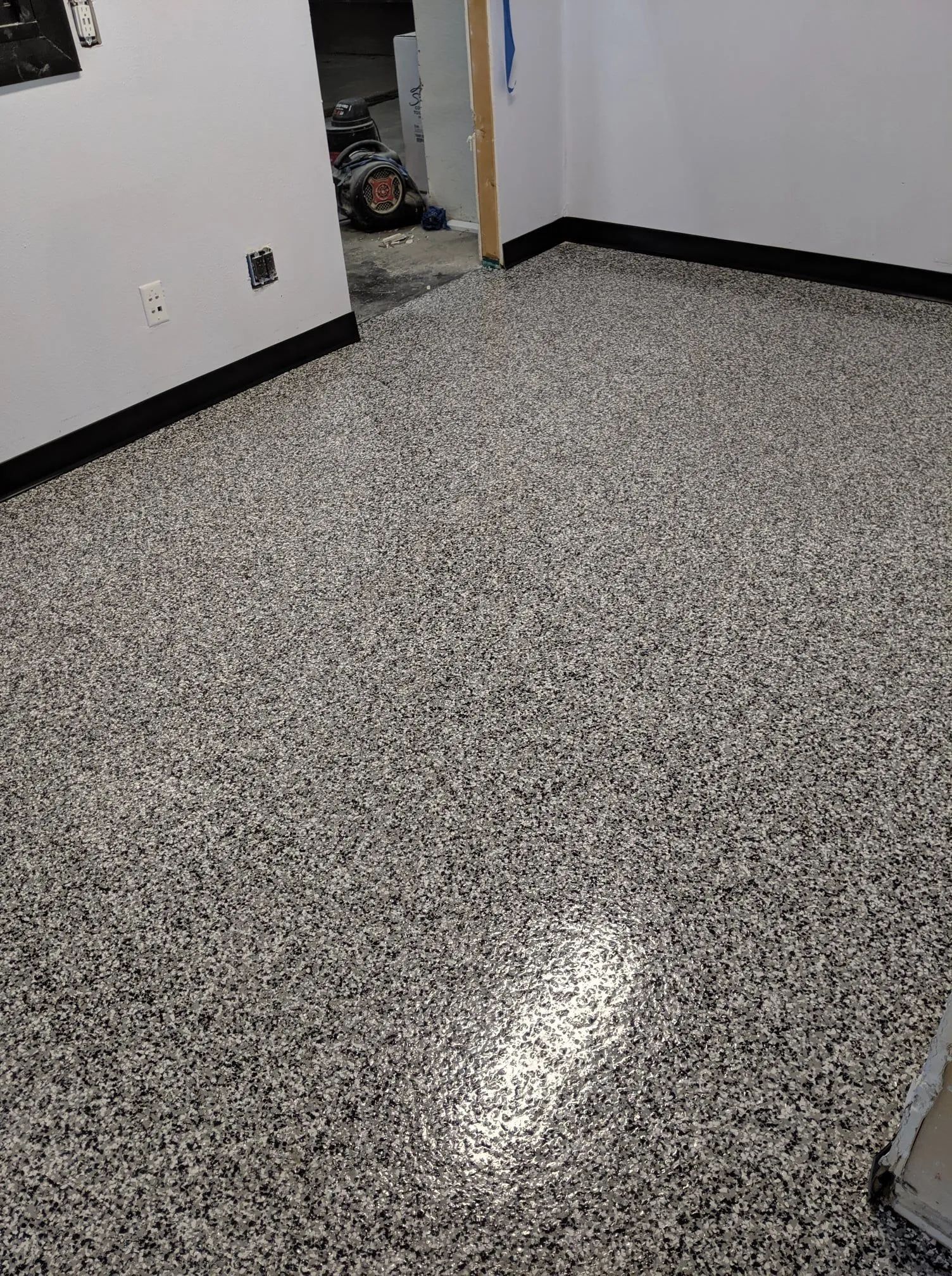
Learn where epoxy flooring is ideal in homes, including basements & garages. Contact CGI Epoxy Flooring for expert advice!
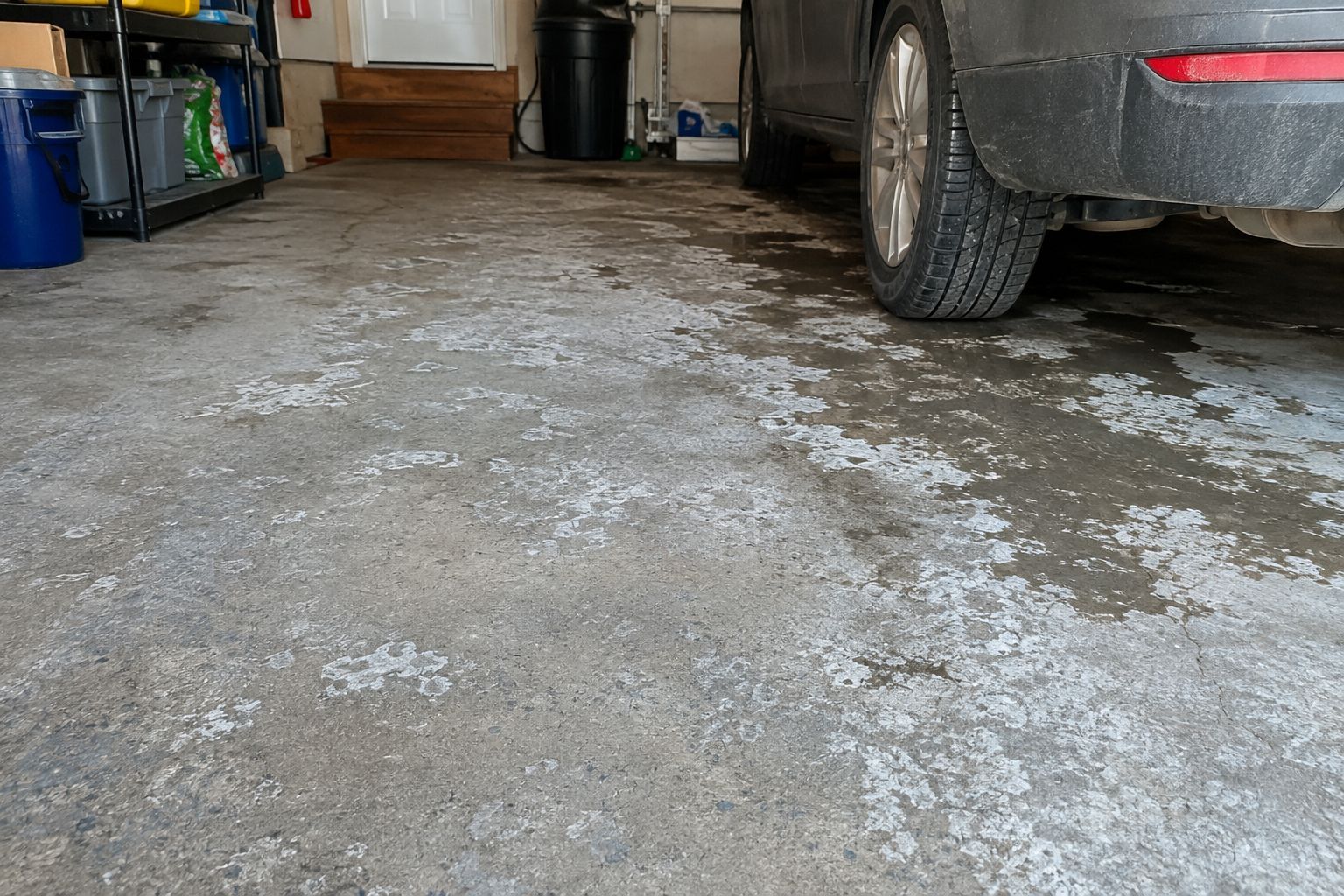
Learn how road salt harms garage floors & the benefits of epoxy coatings. Protect your concrete this winter with our expert solutions!
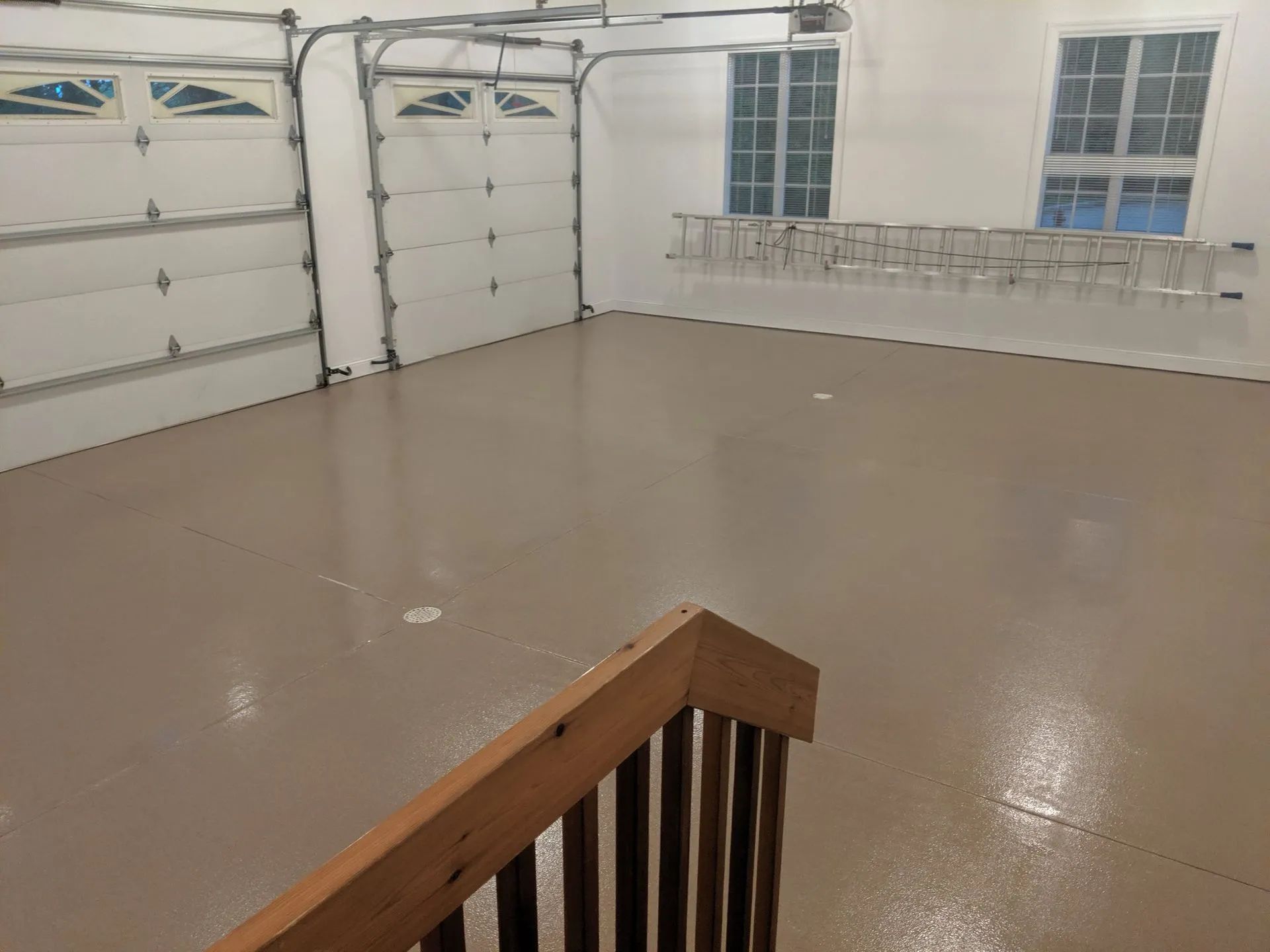
You paid for a coated garage floor that was supposed to shrug off tire marks, road salt, and dropped tools for years. Instead, a few months later you notice the finish lifting near the overhead door, a chalky haze in the corners, or sheets of coating that peel up when you drag a snow shovel across them. It looks like a bad product or a careless installer. Most of the time, the coating and the crew were not the problem. The problem started underneath, in a cold concrete slab that was never prepped and conditioned for the way coatings actually cure. Cold-weather regions like Eastern Iowa punish shortcuts. A garage floor in Iowa City, Coralville, or Marion spends months near freezing, absorbs snowmelt and road salt off your tires, and swings through freeze-thaw cycles that untreated concrete handles poorly. When a coating goes down over a slab that is too cold, too wet, or too dirty, it can look perfect on day one and still fail by spring. This article walks through the real reasons cold-climate garage coatings peel, bubble, and delaminate, and what proper preparation actually looks like. Quick Answer: Garage floor coatings in cold climates fail mostly because of what happens at the concrete surface before and during curing, not the coating brand. A slab below roughly 50 degrees never lets the resin reach full cure, moisture rising through the concrete or condensing on top breaks the bond, and inadequate grinding leaves contaminants that act as a release layer. Fix those three things with correct grinding, moisture evaluation, slab warming, and proper timing, and the coating holds.
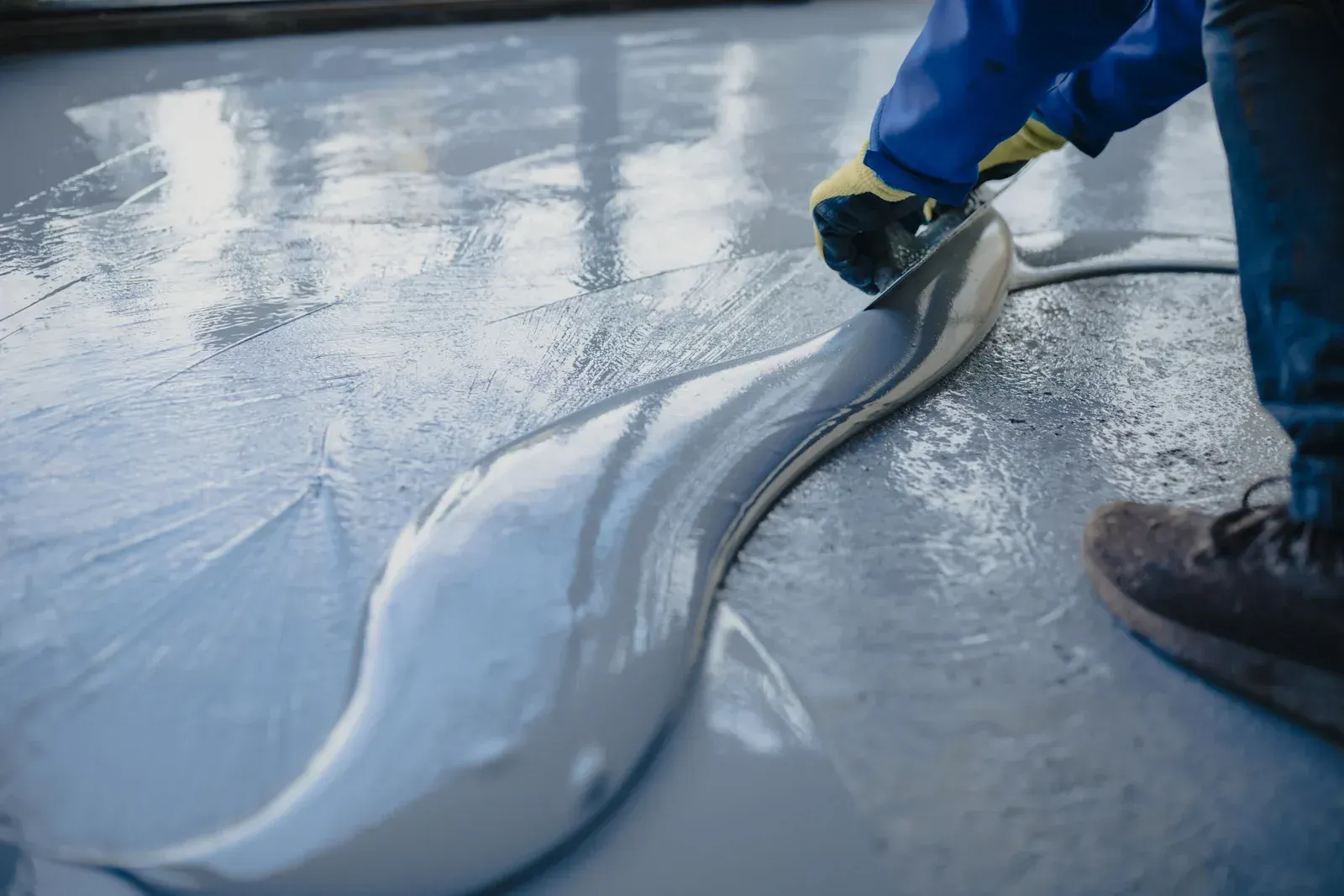
Learn how epoxy floors enhance safety, efficiency, & durability in warehouses. Contact CGI Epoxy Flooring for expert solutions!
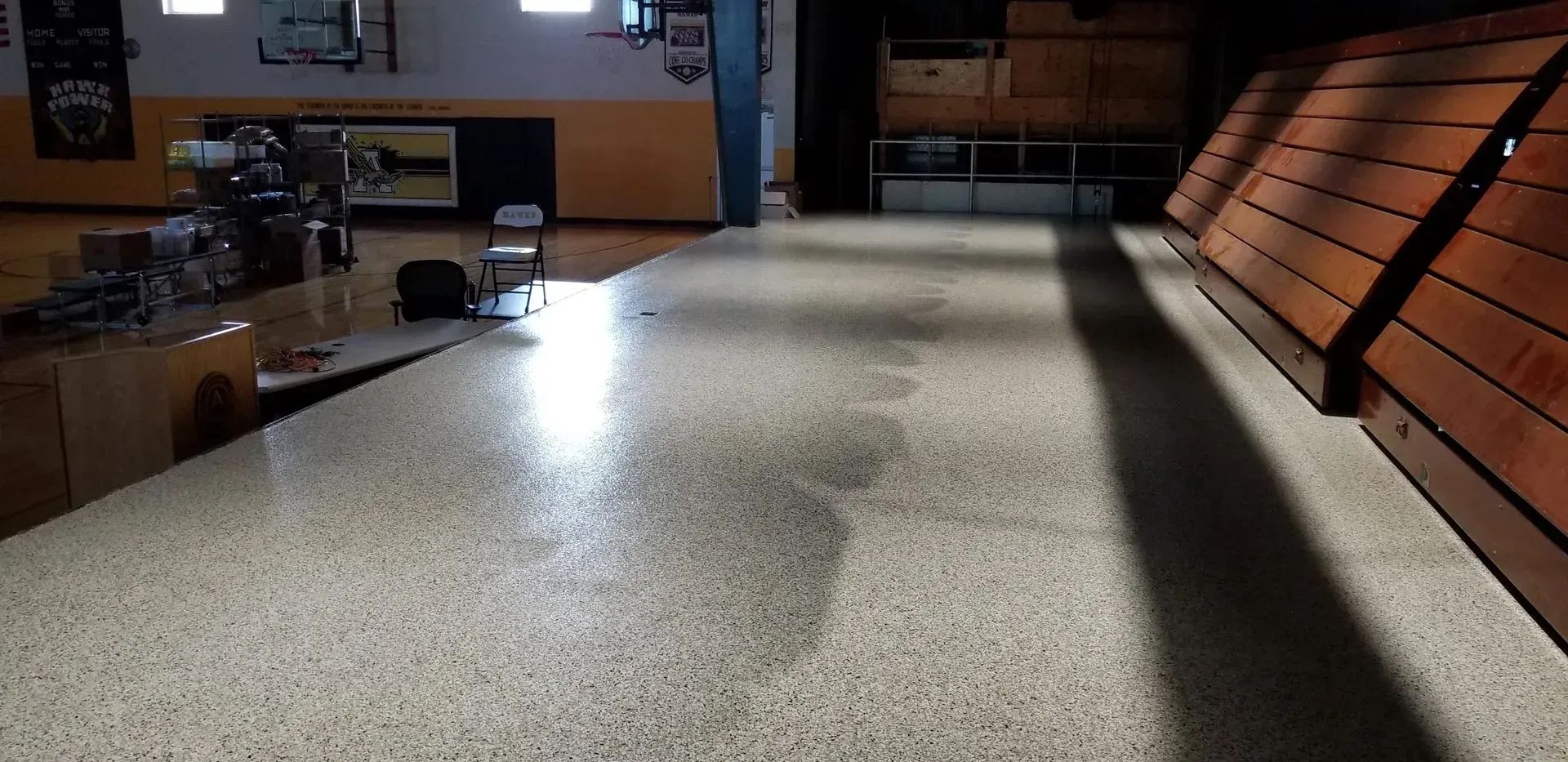
Commercial and industrial facilities place constant demands on flooring systems every single day. Heavy machinery, forklift traffic, chemical exposure, moisture intrusion, temperature fluctuations, and continuous foot traffic all contribute to surface deterioration over time.