How to Choose the Right Commercial Epoxy Flooring System for Long-Term Performance?
Commercial and industrial facilities place constant demands on flooring systems every single day. Heavy machinery, forklift traffic, chemical exposure, moisture intrusion, temperature fluctuations, and continuous foot traffic all contribute to surface deterioration over time. Businesses operating warehouses, manufacturing plants, retail stores, healthcare facilities, automotive shops, and food processing environments often require flooring systems that can withstand demanding conditions while maintaining safety, cleanliness, and appearance. Choosing the right commercial epoxy flooring system plays a major role in protecting operational efficiency, reducing maintenance concerns, and extending the lifespan of the concrete substrate beneath the surface.

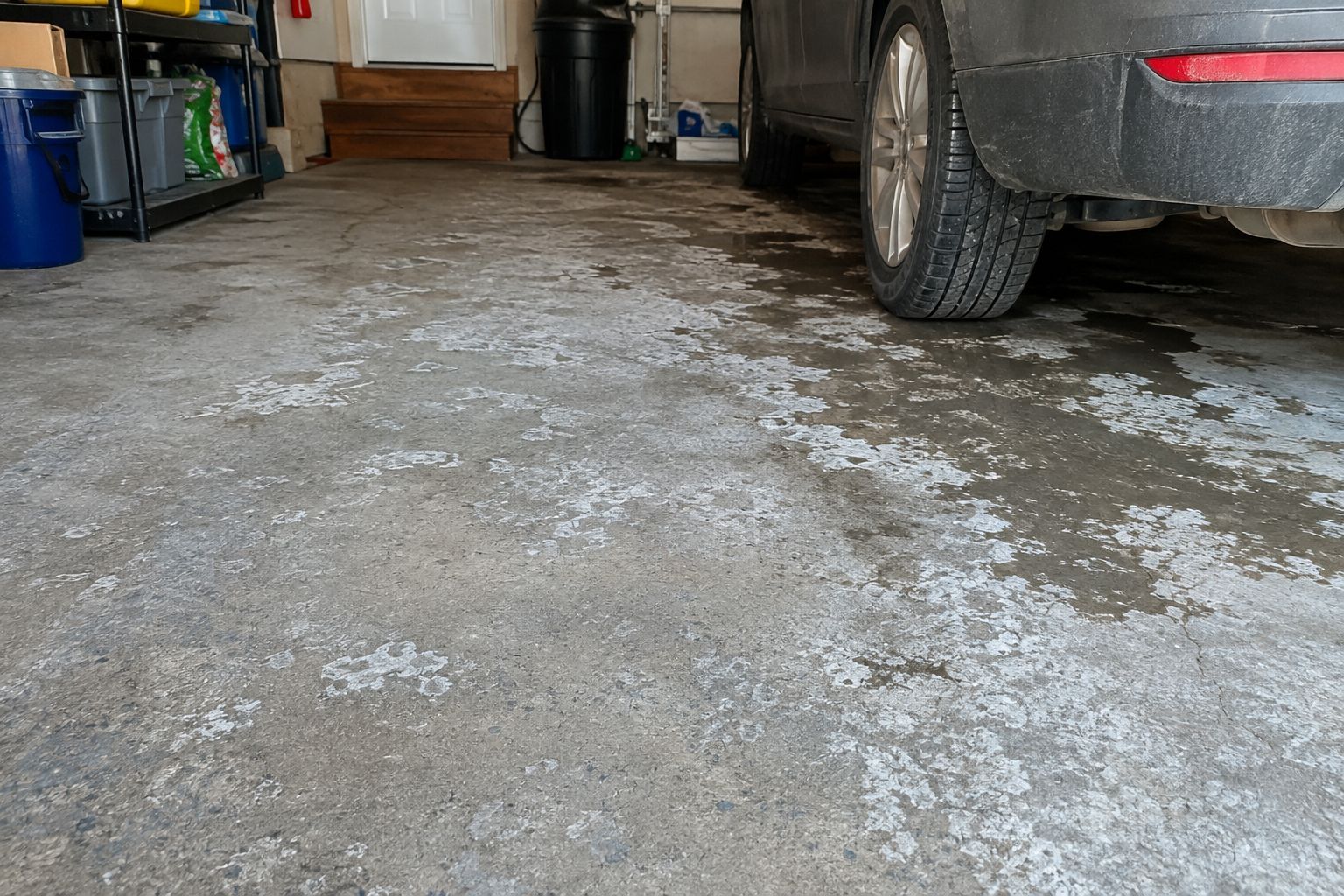
Many property owners focus primarily on appearance or installation cost when selecting commercial flooring, but long-term performance depends on several technical factors beyond visual appeal. Surface preparation methods, environmental exposure, load requirements, slip resistance, chemical durability, and maintenance expectations all influence how well an epoxy flooring system performs throughout its service life. A poorly selected flooring solution may lead to peeling, cracking, staining, safety hazards, and costly downtime. Understanding how different epoxy systems function helps business owners make informed decisions that support durability, workplace safety, and long-term value while minimizing future disruptions across commercial and industrial environments.
Evaluating Facility Requirements Before Selecting Epoxy Flooring
Understanding Operational Demands
Every commercial environment places different stresses on flooring systems, making it important to evaluate operational requirements before selecting materials. A warehouse handling heavy pallet movement creates different wear patterns than a medical facility requiring sterile conditions or a retail showroom prioritizing aesthetics. Identifying these demands early helps determine which epoxy flooring system provides suitable durability and protection.

Facilities with constant forklift traffic often require thicker industrial-grade coatings capable of resisting impact damage and tire abrasion. Restaurants and food production areas may require seamless, moisture-resistant surfaces that simplify sanitation procedures. Automotive facilities frequently need chemical-resistant coatings that can tolerate oils, solvents, and fuel exposure without surface breakdown.
Understanding operational demands also helps determine coating thickness, finish type, and installation methods. High-traffic areas may benefit from multi-layer systems designed to improve impact resistance and extend floor longevity. Facilities exposed to thermal shock or moisture vapor transmission often require specialized primers and moisture mitigation systems to prevent premature coating failure.
Considering Environmental Conditions
Environmental exposure plays a major role in epoxy flooring performance. Indoor facilities with climate control experience fewer expansion and contraction issues than buildings exposed to fluctuating temperatures or exterior moisture conditions. Commercial kitchens, breweries, manufacturing plants, and cold storage facilities often experience conditions that place additional stress on flooring materials.

Moisture intrusion remains one of the leading causes of epoxy coating failure. Concrete naturally absorbs moisture from the ground below, and vapor transmission can weaken adhesion when flooring systems are improperly selected or installed. Facilities with high humidity levels or wash-down procedures may require vapor barriers or moisture-tolerant epoxy primers to maintain long-term stability.
Chemical exposure also affects flooring selection. Certain industries use acids, oils, solvents, or cleaning agents capable of degrading lower-grade coatings over time. Choosing chemically resistant epoxy systems helps reduce staining, surface erosion, and maintenance concerns while preserving workplace safety standards.
Comparing Different Commercial Epoxy Flooring Systems
Self-Leveling Epoxy Flooring
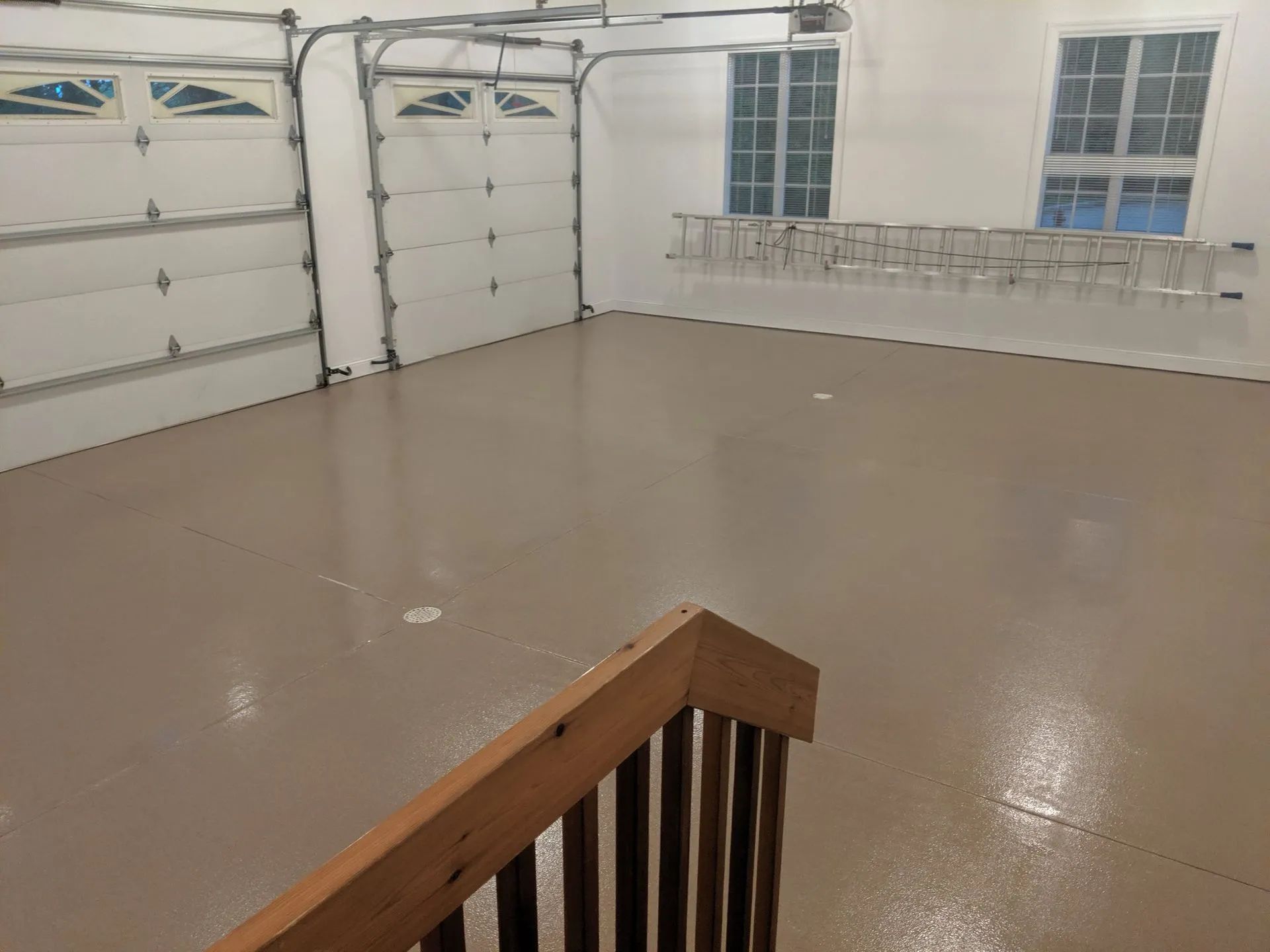
Self-leveling epoxy flooring creates smooth, seamless surfaces designed for facilities requiring durability and easy maintenance. This system is commonly used in warehouses, healthcare buildings, laboratories, and commercial spaces where cleanliness and appearance matter. Self-leveling coatings flow evenly across concrete surfaces, helping correct minor imperfections while producing a polished finish.

These systems offer strong resistance against abrasion, chemicals, and moisture exposure. Their seamless structure also reduces dirt accumulation and simplifies cleaning procedures. Businesses seeking a modern appearance often select self-leveling epoxy because it provides both functionality and visual appeal.
However, self-leveling systems require proper substrate preparation to achieve reliable adhesion. Cracks, contaminants, or moisture issues beneath the coating can compromise long-term performance. Surface grinding and repair work are often necessary before installation begins.
Mortar Epoxy Systems
Epoxy mortar systems rank among the most durable commercial flooring solutions available. These systems combine epoxy resins with graded aggregates to create thick surfaces capable of handling severe industrial conditions. Manufacturing plants, mechanical rooms, and heavy industrial facilities frequently use mortar systems because of their exceptional strength.

Mortar epoxy floors resist impact damage, thermal shock, and chemical exposure better than many standard coatings. Facilities operating heavy equipment or exposed to extreme operating conditions often benefit from this type of installation. These systems also help restore damaged concrete surfaces by filling imperfections and strengthening weakened areas.
Although mortar systems provide impressive durability, installation complexity and material costs tend to be higher than standard epoxy coatings. Businesses must balance long-term durability benefits against upfront investment considerations when evaluating flooring options.
Quartz-Filled Epoxy Flooring
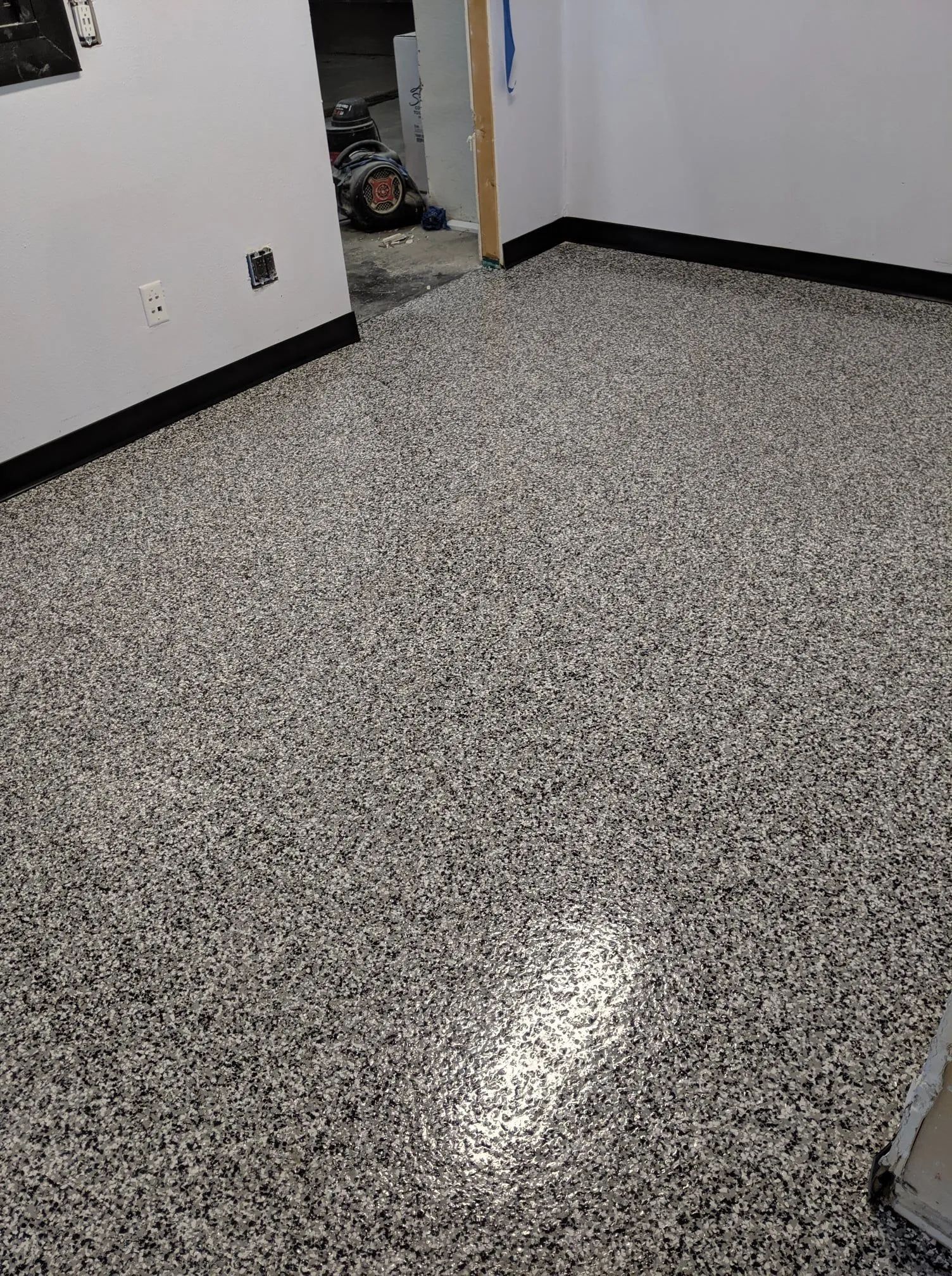
Quartz-filled epoxy systems combine decorative quartz granules with epoxy resin to create textured surfaces offering durability and slip resistance. These floors are commonly installed in schools, locker rooms, commercial kitchens, healthcare facilities, and restrooms where safety and sanitation are priorities.

The textured surface helps improve traction in wet environments, reducing slip risks for employees and visitors. Quartz systems also resist chemicals, stains, and moisture intrusion while maintaining a visually appealing finish suitable for customer-facing environments.
Maintenance requirements remain relatively manageable because the seamless structure limits bacteria growth and debris accumulation. Businesses seeking both durability and decorative value often select quartz-filled epoxy systems for commercial applications requiring professional presentation and dependable safety performance.
Balancing Durability, Safety, and Maintenance Requirements
Prioritizing Workplace Safety
Safety remains one of the most important considerations when selecting commercial epoxy flooring systems. Slippery surfaces increase liability risks and workplace injuries, particularly in environments exposed to moisture, oils, or cleaning procedures. Businesses must evaluate traction requirements carefully when comparing flooring options.

Slip-resistant additives such as quartz granules, aluminum oxide, or textured finishes help improve surface grip without compromising durability. Facilities including commercial kitchens, manufacturing plants, loading docks, and healthcare buildings often require enhanced traction to support employee safety standards.
Visibility also contributes to workplace safety. Epoxy flooring systems can incorporate line striping, hazard markings, and color-coded zones that improve organization and traffic management. Clearly marked pathways and operational zones help reduce accidents while supporting workflow efficiency across industrial and commercial facilities.
Managing Long-Term Maintenance
Maintenance expectations should align with operational realities before choosing an epoxy flooring system. Some businesses prioritize low-maintenance surfaces that simplify daily cleaning, while others require highly specialized coatings capable of tolerating aggressive sanitation procedures or industrial contaminants.

Smooth, seamless epoxy surfaces resist dust accumulation and simplify cleaning compared to unfinished concrete. However, certain finishes may show scratches or tire marks more visibly in high-traffic environments. Facilities handling abrasive materials or heavy equipment may benefit from thicker coatings designed to resist wear over longer periods.
Regular inspections and preventive maintenance also help extend flooring lifespan. Promptly repairing minor damage prevents moisture penetration and coating separation from spreading into larger areas. Businesses should work with flooring professionals to establish maintenance guidelines suited to their operational environment and coating system.
Understanding Long-Term Value and Return on Investment
Evaluating Initial Cost Versus Lifecycle Cost
Many businesses focus heavily on installation pricing when comparing commercial flooring systems, but long-term performance often determines actual value. Lower-cost coatings may require more frequent repairs, replacements, or operational interruptions over time. Higher-quality epoxy systems generally provide stronger durability and reduced maintenance expenses throughout the floor’s lifespan.
Facilities operating continuously often experience significant financial consequences when flooring systems fail unexpectedly. Production downtime, safety hazards, damaged inventory, and emergency repairs can quickly exceed initial savings gained from selecting lower-grade materials. Investing in durable flooring solutions helps reduce these risks while improving operational reliability.

Property owners should evaluate expected traffic levels, maintenance demands, and environmental exposure when calculating lifecycle value. A properly installed industrial-grade epoxy system may remain functional for many years with minimal repairs, making it a cost-effective long-term investment for demanding commercial environments.
Supporting Property Appearance and Professional Image
Commercial flooring influences how employees, customers, inspectors, and visitors perceive a business environment. Cracked concrete, stains, peeling coatings, and uneven surfaces create negative impressions while potentially signaling poor facility maintenance. Professionally installed epoxy flooring helps businesses maintain cleaner, more organized environments that reflect operational professionalism.

Retail stores, healthcare facilities, showrooms, and customer-facing businesses often benefit from decorative epoxy finishes that combine durability with visual appeal. Clean flooring surfaces improve lighting reflection, create brighter workspaces, and contribute to overall facility presentation.
Long-term appearance retention also matters in facilities subject to regulatory inspections or client visits. Durable epoxy systems help maintain cleaner environments while supporting operational standards across industries requiring sanitary conditions and organized workspaces.
Experienced Flooring Professionals Supporting Long-Term Surface Protection
Selecting the right commercial epoxy flooring system requires careful evaluation of operational demands, environmental conditions, durability expectations, safety priorities, and long-term maintenance goals. Businesses that invest time in understanding these factors often experience better flooring performance, reduced operational disruptions, and lower lifecycle costs over time. Surface preparation quality, coating selection, and professional installation all contribute to the success of a commercial flooring project, making informed planning essential before installation begins.
At CGI Epoxy Flooring, we provide commercial and industrial epoxy flooring solutions for businesses throughout Iowa City, Iowa and surrounding communities. With more than 20
years of experience as Epoxy Flooring Specialists, we understand how different environments require different flooring systems based on traffic levels, moisture exposure, safety requirements, and operational demands. We help property owners evaluate flooring conditions, identify performance goals, and select coating systems designed for long-term durability and dependable protection. Our work includes detailed surface preparation, professional installation methods, and tailored flooring recommendations suited for warehouses, manufacturing facilities, commercial buildings, retail environments, and industrial spaces requiring reliable performance.